Taj Mahal sunrise vs. sunset: visitor guide

Taj Mahal Sunrise vs. Sunset: Which Is the Best Time to Visit?
The Taj Mahal is one of the world's most iconic monuments, attracting travelers with its breathtaking Mughal architecture, intricate marble work, and romantic history. While the monument is beautiful throughout the day, the experience can change dramatically depending on when you visit.
One of the most common questions travelers ask is: Is it better to visit the Taj Mahal at sunrise or sunset?
A sunrise visit offers peaceful surroundings, cooler temperatures, and soft golden light, while a sunset visit provides beautiful evening colors and a relaxed atmosphere as the day winds down. Both experiences have their advantages, and the right choice depends on your travel schedule, photography preferences, and tolerance for crowds.
In this guide, we'll compare Taj Mahal sunrise vs. sunset to help you choose the best time for your visit.
1. Visiting the Taj Mahal at Sunrise
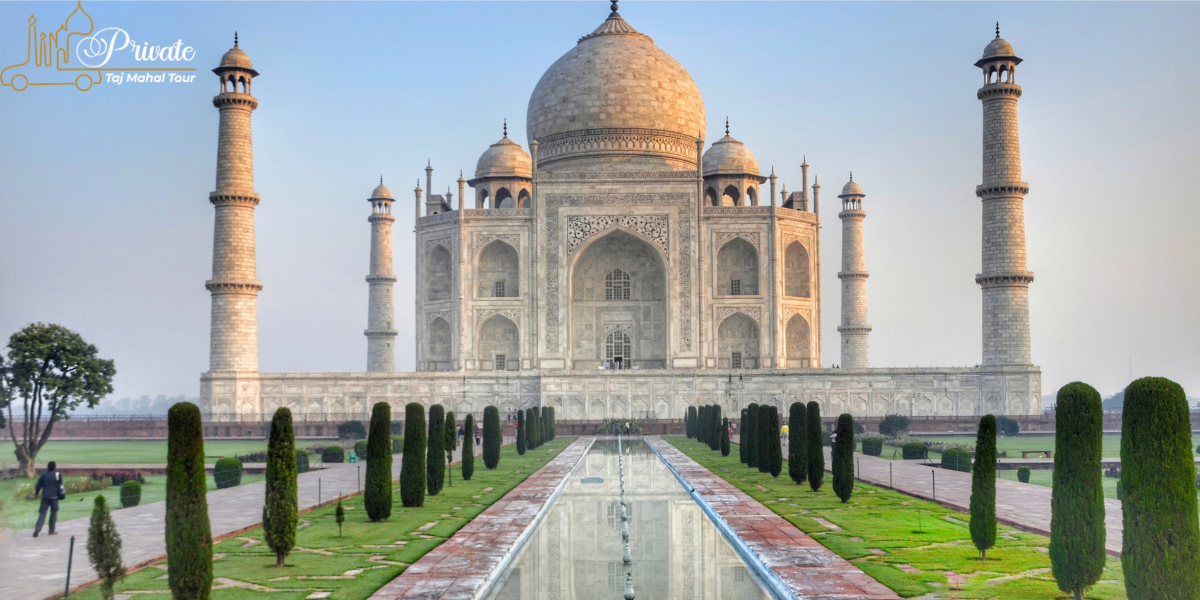
Sunrise is often considered one of the best times to visit the Taj Mahal, particularly for first-time visitors and photography enthusiasts. As the sun rises, the white marble gradually catches the morning light, creating a beautiful contrast against the changing colors of the sky.
Why Choose a Sunrise Visit?
Fewer crowds early in the morning
Arriving early can help you enjoy the monument before the busiest sightseeing hours. Although sunrise visits can still attract plenty of tourists, arriving near opening time generally gives you a better opportunity to explore popular viewpoints with fewer people.
Cooler temperatures
Agra can become extremely hot, especially during the summer months. Visiting early in the morning allows you to explore the complex before the midday heat becomes uncomfortable.
Beautiful morning photography
The soft morning light can create gentle shadows and subtle colors across the marble. It's an excellent time to capture the Taj Mahal's reflection in the central water channels, its symmetrical gardens, and its impressive main dome.
A peaceful atmosphere
The quiet atmosphere of the early morning can make your visit feel more relaxed. You can take your time admiring the architecture, walking through the gardens, and appreciating the monument's details.
Tips for a Taj Mahal Sunrise Visit
Arrive before the official opening time so you can enter as soon as possible.
Check the local sunrise time and the monument's opening schedule before your visit.
Purchase your ticket through an official booking channel where available.
Carry a camera or smartphone with sufficient battery life.
Bring water and wear comfortable walking shoes.
Visit during the cooler months if you prefer pleasant weather, but prepare for winter fog.
Best for: First-time visitors, photographers, early risers, families who prefer cooler temperatures, and travelers who want to avoid the busiest hours.
2. Visiting the Taj Mahal at Sunset
A sunset visit offers a different perspective on the Taj Mahal. As daylight fades, the marble can take on warmer tones, and the surrounding gardens create a picturesque setting for an evening stroll.
However, it's important to understand that the Taj Mahal's regular visitor hours generally end around sunset. You should not assume that you can enter the main complex at sunset itself. Plan to enter earlier in the afternoon if you want to experience the monument during the changing evening light.
Why Choose a Sunset Visit?
Warm evening colors
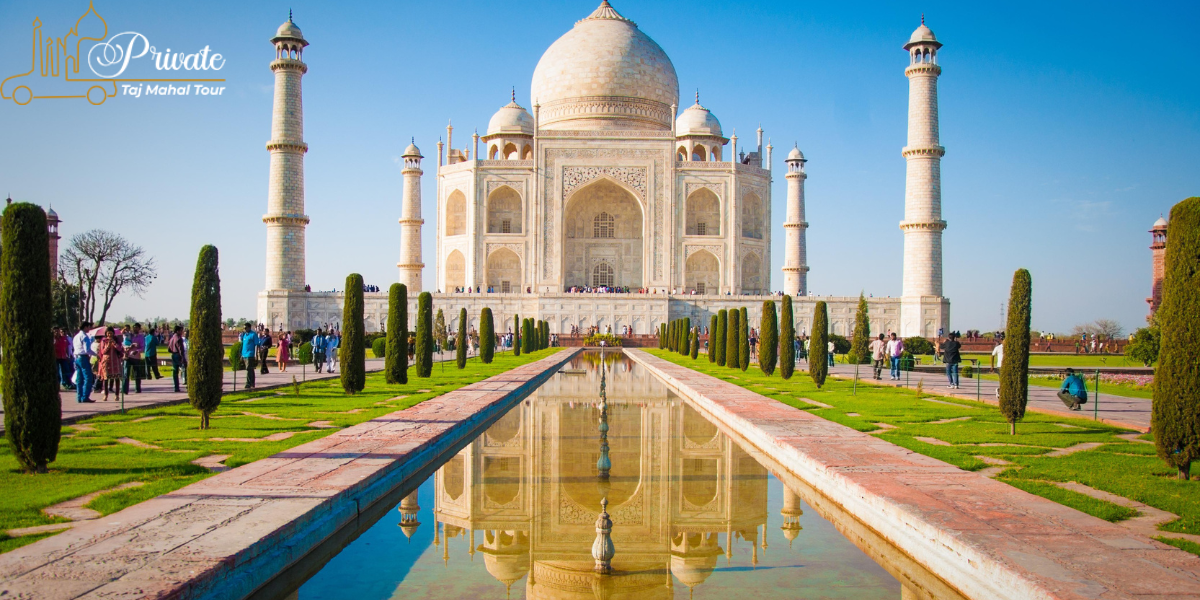
Depending on the weather and the position of the sun, the Taj Mahal may appear cream-colored, golden, or softly pink as daylight changes. These tones can create striking photographs.
A relaxed sightseeing schedule
If you don't enjoy waking up early, an afternoon visit may fit your itinerary better. You can explore Agra during the morning and arrive at the Taj Mahal later in the day.
Beautiful garden views
The gardens, pathways, and reflecting pools offer attractive compositions as the afternoon light changes. You can photograph the monument from several angles before the complex closes.
A romantic experience
The warm light and elegant architecture make an evening visit appealing for couples, honeymooners, and travelers celebrating special occasions.
Tips for a Taj Mahal Sunset Visit
- Enter well before the official closing time.
- Check the local sunset time and the monument's visiting hours.
- Expect crowds, particularly during holidays and peak tourist seasons.
- Look for photography opportunities along the central pathway and garden viewpoints.
- Consider visiting a permitted viewpoint across the Yamuna River for a different perspective, checking access arrangements in advance.
Best for: Couples, leisure travelers, sunset photography enthusiasts, and visitors with flexible morning schedules.
3. Taj Mahal Sunrise vs. Sunset: Key Differences
The best time to visit depends on what matters most to you. Here's a quick comparison to help you decide.
Feature | Sunrise Visit | Sunset Visit |
|---|---|---|
Lighting | Soft, gentle morning light | Warm, changing evening light |
Crowds | Often lighter near opening | Can be busy later in the day |
Weather | Generally cooler | Usually warmer, depending on season |
Photography | Great for soft light and reflections | Great for warm tones and dramatic skies |
Atmosphere | Calm and refreshing | Relaxed and romantic |
Ideal arrival | Before opening time | Early enough to explore before closing |
Best suited for | Early risers and photographers | Leisure travelers and couples |
Our recommendation: Choose sunrise if you want cooler weather, a quieter start, and excellent photography conditions. Choose an afternoon visit if you prefer a later start and want to experience the monument in warm evening light.
4. Best Season to Visit the Taj Mahal
The season you choose can make as much difference as the time of day.
Winter: November to February
Winter is a popular time to visit Agra because daytime temperatures are often more comfortable for sightseeing. However, early-morning fog can sometimes obscure the Taj Mahal, particularly in December and January.
If you visit during winter, check the weather forecast before planning a sunrise photography session.
Summer: March to June
Summer temperatures in Agra can become very high, especially in May and June. Sunrise is usually the more comfortable option because you can explore the monument before the strongest afternoon heat.
Carry drinking water, wear sun protection, and avoid spending unnecessary time in direct sunlight.
Monsoon: July to September
The monsoon season can bring humidity, rain, and cloudy skies. These conditions may create dramatic photographic backgrounds, but the weather can also limit visibility and make outdoor exploration less comfortable.
Check the forecast and bring suitable rain protection.
Shoulder Season: October and March
These periods can offer a balance between comfortable sightseeing conditions and changing seasonal weather. Conditions vary from year to year, so check the forecast before finalizing your plans.
5. Best Time to Visit the Taj Mahal for Photography
The Taj Mahal is a photographer's dream, but lighting conditions can influence the final result.
Sunrise Photography
Morning light is ideal for capturing the monument's symmetry, delicate marble details, and reflections in the water channels. The softer light can help reduce harsh shadows and create a clean, balanced composition.
For the best results:
Arrive near opening time.
Photograph the Taj Mahal from the main entrance axis and permitted garden viewpoints.
Use reflections to create symmetrical compositions.
Experiment with wide-angle shots and architectural details.
Be patient when waiting for other visitors to move out of your frame.
Sunset Photography
Late-afternoon light can add warmth and depth to the monument's appearance. The sky may provide beautiful colors, although the effect depends on cloud cover, haze, and the season.
For better results:
- Arrive early enough to explore several viewpoints.
- Capture the monument while the sunlight is still illuminating the marble.
- Use the gardens to frame your photographs.
- Check camera and phone exposure settings to preserve architectural details.
- Respect photography restrictions inside the mausoleum and other designated areas.
Photography tip: Sunrise is usually the safer choice if your priority is soft light and fewer people in your photographs. Sunset is worth considering if you enjoy warmer tones and dramatic skies.
6. Taj Mahal Opening Hours and Entry Information
Before deciding between sunrise and sunset, check the monument's official visiting schedule.
The Taj Mahal generally opens 30 minutes before sunrise and closes 30 minutes before sunset, from Saturday through Thursday. It is closed to regular visitors on Fridays, when it is reserved for congregational prayers, apart from applicable prayer-related access arrangements.
Exact opening and closing times vary with the season.
Visitors should also know that:
- Entry tickets are required for the main monument complex.
- Additional charges may apply for access to the main mausoleum.
- Ticket prices and booking procedures can change.
- Security checks are conducted at the entrance.
- Certain items, including food and other restricted objects, may not be permitted inside.
Check the Archaeological Survey of India's official website or authorized ticketing information before traveling. Arriving early is advisable, especially during weekends, public holidays, and the peak tourist season.
7. Can You See the Taj Mahal at Sunset from Outside the Main Complex?
Yes. There are alternative viewpoints where visitors can admire the Taj Mahal from across the Yamuna River, offering a different perspective from the main entrance.
Mehtab Bagh is a well-known garden viewpoint associated with views of the Taj Mahal across the river. Depending on the season, weather, and access arrangements, it can be an attractive location for late-afternoon photography.
Keep in mind that the experience differs from visiting the monument itself. You won't be walking through the main gardens or viewing the marble architecture from close range.
If your main goal is to see the Taj Mahal glowing in the evening light, an authorized riverside viewpoint may be a useful addition to your itinerary.
8. Practical Tips for Planning Your Visit
Whether you choose sunrise or sunset, a little preparation can make your Taj Mahal visit more enjoyable.
1. Check the weekly closure
Avoid planning your regular monument visit on a Friday.
2. Book tickets in advance when possible
Use official or authorized ticketing channels to understand current prices and entry requirements.
3. Dress comfortably
Wear comfortable shoes and weather-appropriate clothing. You will spend time walking through the gardens and around the complex.
4. Carry only permitted belongings
Security restrictions apply, so check the current rules before arriving.
5. Allow enough time
Set aside approximately two to three hours for a comfortable visit, allowing extra time during busy periods or if you enjoy photography.
6. Plan your transport
Arrange your ride to the monument in advance, especially if you plan to arrive before sunrise.
7. Stay flexible with the weather
Fog, haze, rain, and cloud cover can affect visibility and photography. Check the forecast on the day of your visit.
9. Sample Itineraries: Sunrise vs. Sunset
Option A: Sunrise Itinerary
- Before opening: Arrive at the entrance and prepare for security checks.
- Early morning: Enter the complex and photograph the Taj Mahal in soft light.
- Morning: Explore the gardens, central reflecting pools, and architectural details.
- Late morning: Enjoy breakfast and continue sightseeing in Agra.
This option works well for travelers who want to avoid the hottest hours and make the most of the morning.
Option B: Afternoon and Sunset Itinerary
- Early afternoon: Enjoy lunch and explore another attraction in Agra.
- Mid-afternoon: Arrive at the Taj Mahal and enter with sufficient time before closing.
- Late afternoon: Explore the gardens and photograph the monument in changing light.
- Near sunset: Finish your visit before the complex closes, or continue to a permitted external viewpoint if you have confirmed its opening hours.
This option is suitable for travelers who prefer a slower morning and want to combine the Taj Mahal with other Agra attractions.
10. Frequently Asked Questions
Is sunrise or sunset better at the Taj Mahal?
Sunrise is generally the better choice for cooler temperatures, soft light, and a potentially quieter experience. Sunset is ideal for travelers who prefer warm evening colors and a later start, but you must enter the main complex before closing.
Is the Taj Mahal less crowded at sunrise?
It can be less crowded near opening time than later in the day. However, sunrise is popular with tour groups and photographers, so you should not expect the monument to be empty.
What is the best month to visit the Taj Mahal?
November through February is popular because of the generally cooler weather. However, winter fog may affect early-morning visibility. October and March can also be good options, depending on weather conditions.
Can I enter the Taj Mahal at sunset?
You can visit during the late afternoon, but regular entry generally ends around sunset. Arrive well before closing rather than planning to enter at sunset itself.
Is sunrise photography better than sunset photography?
Sunrise often provides softer light and a better chance of photographing the monument with fewer visitors. Sunset can produce warmer tones and dramatic skies. The best results depend on the weather and your photographic style.
Is the Taj Mahal open every day?
The Taj Mahal is generally open from Saturday through Thursday and closed to regular visitors on Fridays. Check the official schedule before traveling.
How long should I spend at the Taj Mahal?
Approximately two to three hours is a reasonable starting point for exploring the complex and taking photographs. You may want more time if you plan to visit nearby attractions or spend longer photographing the architecture.
Conclusion: Should You Visit the Taj Mahal at Sunrise or Sunset?
Choosing between Taj Mahal sunrise vs. sunset comes down to the experience you want.
Sunrise is our top recommendation for most visitors. The cooler air, soft morning light, and opportunity to explore before the busiest hours make it an excellent time to appreciate the monument's beauty.
Sunset is equally appealing for travelers who prefer warm colors, a relaxed afternoon schedule, and atmospheric photographs. Just remember that regular entry to the main complex ends around sunset, so plan your arrival accordingly.
Whichever option you choose, the Taj Mahal is an unforgettable sight. Check the latest opening hours, prepare for the weather, and allow yourself enough time to appreciate one of India's most remarkable architectural treasures.